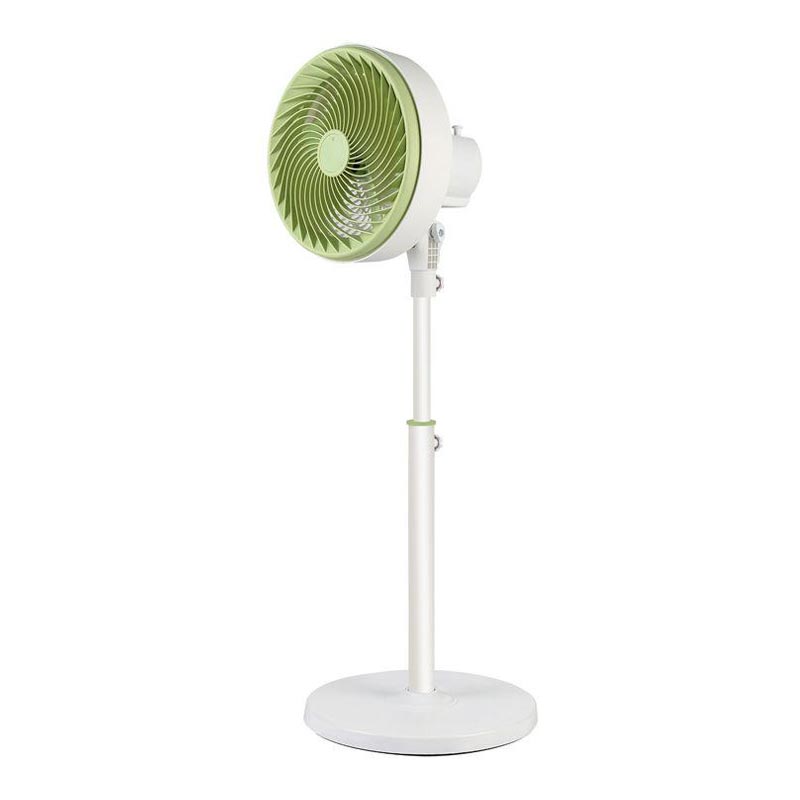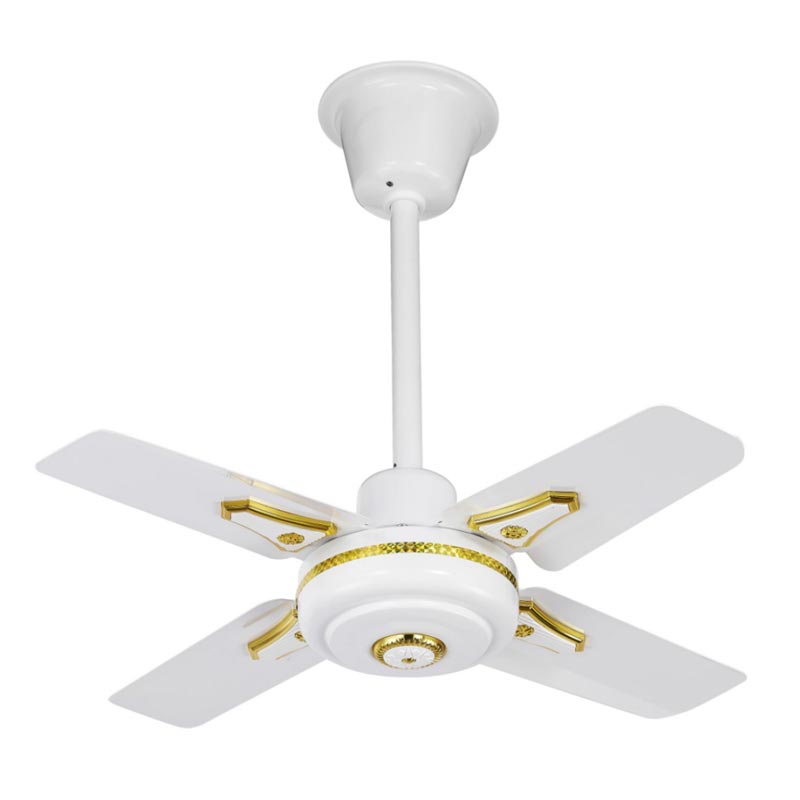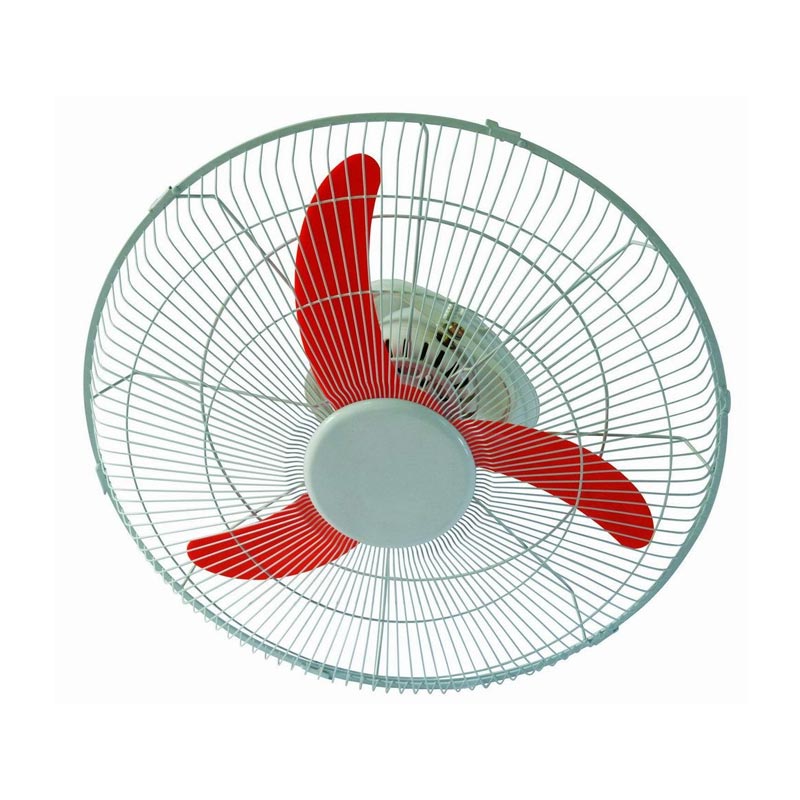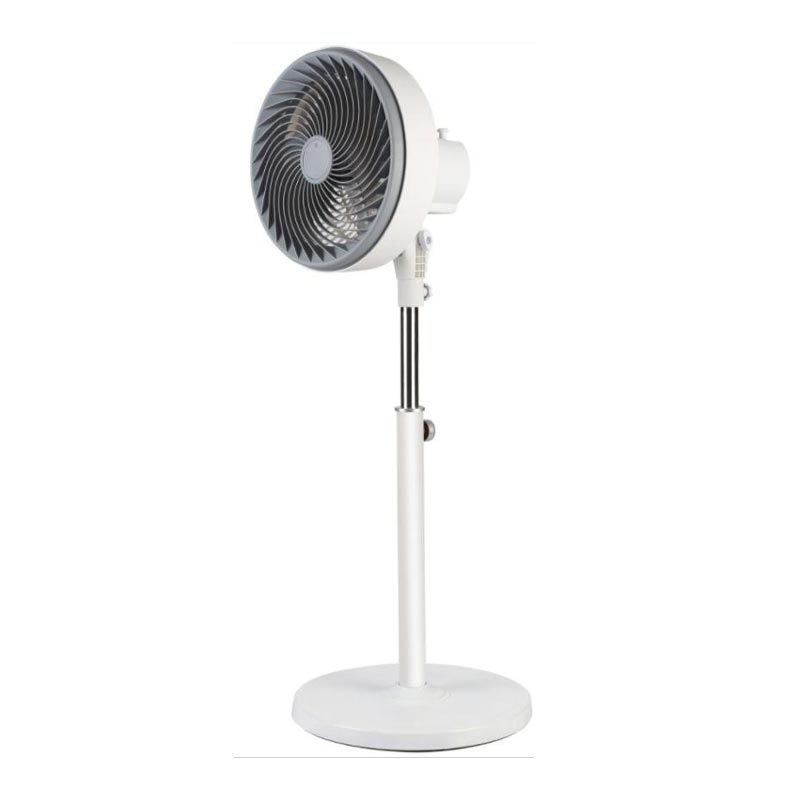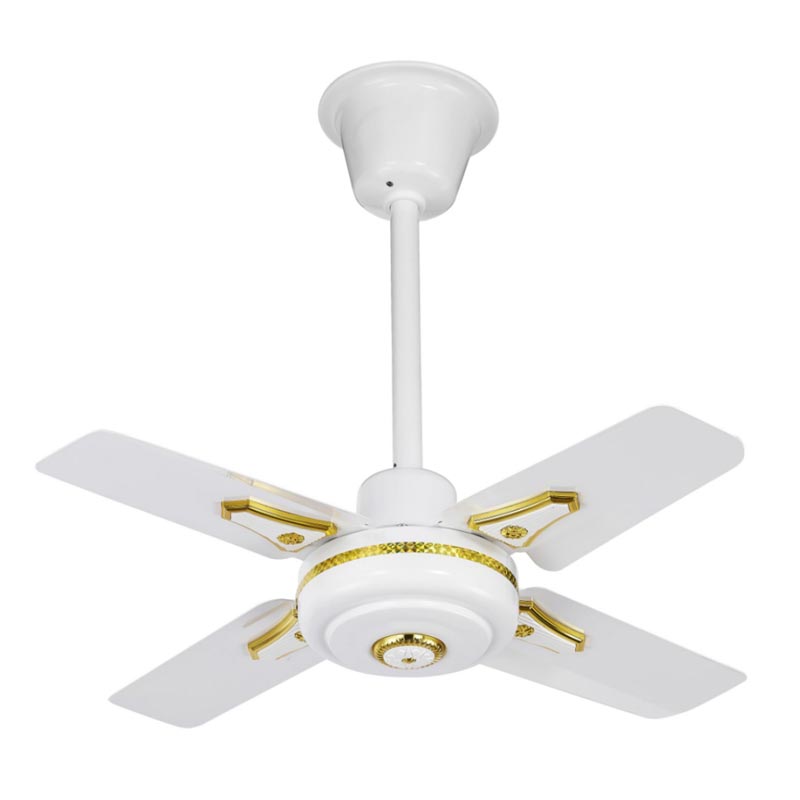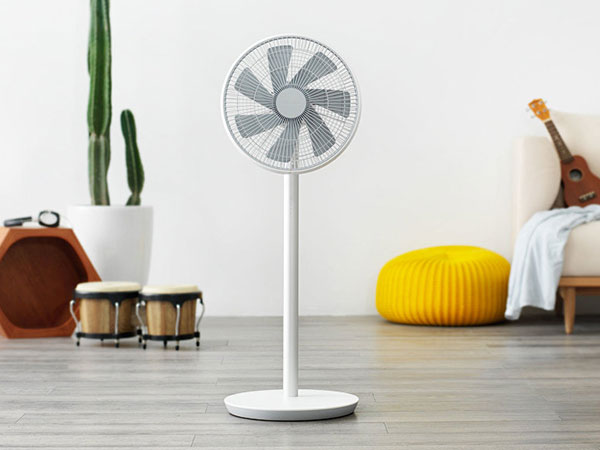


Article Summary: An Air Circulator Fan is designed to move air throughout an entire room rather than simply blowing a stream of air toward one location. By creating stronger and more directed airflow, it can help reduce temperature differences, improve air movement, support more even heating and cooling, and make occupied spaces feel more comfortable. This guide explains how an Air Circulator Fan works, what makes its airflow different from a conventional fan, how to choose the right model, and how Moxie Air develops practical fan solutions for residential and commercial applications.
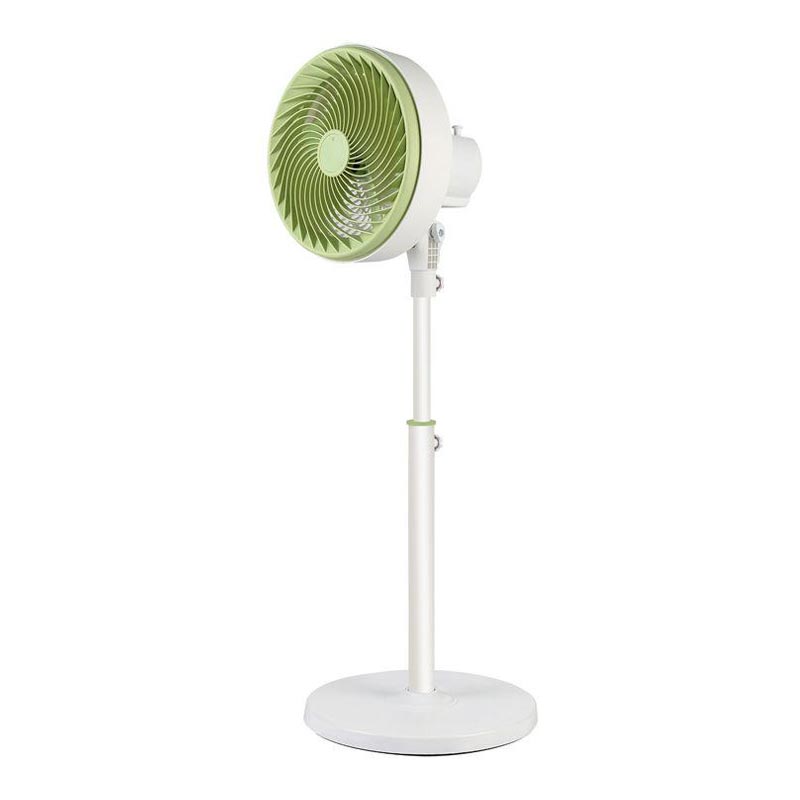
Table of Contents
- What Is an Air Circulator Fan?
- How Does an Air Circulator Fan Work?
- Why Is Whole-Room Air Circulation Important?
- Air Circulator Fan vs. Traditional Fan
- What Features Should You Look For?
- How Can You Choose the Right Air Circulator Fan?
- Where Can an Air Circulator Fan Be Used?
- How Can Air Circulation Support Energy Efficiency?
- How Should an Air Circulator Fan Be Maintained?
- Why Consider Moxie Air?
- What Should Buyers Check Before Ordering?
- Frequently Asked Questions
- Conclusion
Article Outline
- Understanding the purpose of whole-room air movement
- Explaining the airflow principle behind air circulation
- Identifying common comfort and ventilation challenges
- Comparing circulator fans with conventional room fans
- Reviewing important product features and specifications
- Matching fan performance to different room sizes and applications
- Understanding practical energy-saving considerations
- Improving product service life through proper maintenance
- Evaluating Moxie Air as a professional fan manufacturing partner
- Answering common purchasing and usage questions
What Is an Air Circulator Fan?
An Air Circulator Fan is a fan engineered to move and mix air throughout a larger area. Instead of focusing only on the people standing directly in front of it, the fan creates a concentrated airflow that travels through the room and encourages continuous air movement.
This difference is important because air inside a room is rarely distributed evenly. Warm air tends to accumulate at higher levels, while cooler air can remain closer to the floor. Air conditioning may also create cold areas near the outlet while leaving distant corners less comfortable. A weak fan may provide temporary relief in one position without addressing these differences.
An Air Circulator Fan approaches the problem by promoting broader air movement. Its airflow can travel toward walls, ceilings, or other parts of the room before returning through the surrounding space. The result is a more dynamic air pattern rather than a single localized breeze.
For homeowners, offices, retailers, workshops, hotels, and other facilities, this approach can be useful when the main challenge is not simply a lack of airflow but uneven airflow distribution.
How Does an Air Circulator Fan Work?
The performance of an Air Circulator Fan depends on the coordinated design of its motor, blades, grille, housing, and airflow direction. Each component influences how effectively the fan can generate and project air.
When the motor rotates the blades, the blades accelerate air and create a directed airflow stream. A properly designed fan can produce a relatively concentrated air column that travels farther into the room than a simple low-velocity breeze.
Once the moving air reaches a wall, ceiling, floor, or another boundary, it changes direction. This helps establish a circulation pattern in which air from different areas of the room is gradually mixed.
The practical process can be summarized as follows:
- The motor powers the rotating fan blades.
- The blades accelerate air and create directional airflow.
- The airflow travels across a greater portion of the room.
- Air reaches surrounding surfaces and changes direction.
- Air from different temperature zones begins to mix.
- The room develops a more continuous circulation pattern.
This is why an Air Circulator Fan can remain useful even when it is not pointed directly at a person. Its purpose is to influence the overall movement of air within the space.
Why Is Whole-Room Air Circulation Important?
Many indoor comfort problems are caused by poor air distribution rather than insufficient cooling or heating capacity. A room may have an air conditioner, heater, or ventilation system and still contain areas that feel noticeably warmer, colder, or more stagnant.
Effective air circulation can help address several common problems:
- Hot and cold spots: Moving air helps mix areas with different temperatures.
- Stagnant corners: Directed airflow can reach areas that receive little natural movement.
- Uneven conditioned air: Circulation can help distribute cooled or heated air more consistently.
- Personal discomfort: Proper airflow can make occupied spaces feel fresher and less stuffy.
- Poor air movement: Continuous circulation prevents the room from feeling completely still.
However, an Air Circulator Fan should not be considered a replacement for required mechanical ventilation, filtration, or air-quality systems. Its primary function is air movement and mixing. Where a building requires outdoor-air exchange or contaminant removal, the appropriate ventilation equipment should still be used.
Air Circulator Fan vs. Traditional Fan
Although both products use rotating blades to move air, their intended airflow behavior can be different. Understanding this distinction helps buyers select a product according to the actual application.
| Factor | Air Circulator Fan | Traditional Fan |
|---|---|---|
| Primary purpose | Promote broader room circulation | Provide direct personal airflow |
| Airflow pattern | Focused and projected | Often wider and more localized |
| Room mixing | Designed to encourage continuous circulation | Usually focused on the immediate area |
| Typical placement | Floor, tabletop, or strategic room position | Varies by stand, desk, wall, or floor design |
| Common objective | Improve overall air distribution | Cool or refresh people directly |
Neither design is universally better. The correct choice depends on the room, desired airflow, operating conditions, noise expectations, and available space.
What Features Should You Look For?
A fan that looks powerful on paper may not perform well in a real room if its airflow pattern, motor, blade geometry, or controls are poorly matched to the application. Buyers should therefore evaluate the complete product rather than focusing on one specification.
1. Motor Performance
The motor is the driving component of the fan. A suitable motor should provide stable operation at the required speed while maintaining reasonable electrical consumption and operating temperature.
2. Blade Design
Blade geometry affects airflow volume, pressure, noise, and efficiency. The blade design should be matched to the motor and housing instead of being evaluated independently.
3. Airflow Direction
A useful circulator should allow users to position the airflow according to the room layout. Adjustable tilt can be particularly valuable when airflow needs to move upward, downward, or across a long space.
4. Speed Control
Multiple speed settings allow users to adapt airflow to changing temperatures and occupancy conditions. A lower speed may be sufficient for maintaining circulation, while higher settings can provide stronger movement when the room becomes warmer.
5. Noise Level
Noise matters in bedrooms, offices, classrooms, hotels, and other quiet environments. A high-performance fan should balance airflow output with acceptable acoustic performance.
6. Housing and Grille Construction
Durable materials and stable construction contribute to long-term reliability. The grille should also provide appropriate protection around the rotating blades while allowing sufficient airflow.
7. Maintenance Accessibility
Dust accumulation is unavoidable in many environments. A design that makes cleaning and routine inspection easier can reduce maintenance difficulties over the product's service life.
How Can You Choose the Right Air Circulator Fan?
Choosing the right Air Circulator Fan begins with the application rather than the product name. A compact bedroom requires a different solution from a warehouse, workshop, retail store, or large office.
Consider the following factors before purchasing:
- Room size: Larger spaces generally require stronger and longer-reaching airflow.
- Ceiling height: High ceilings can create larger temperature differences between upper and lower zones.
- Room layout: Furniture, partitions, walls, and equipment can affect airflow paths.
- Operating environment: Residential and commercial spaces may have different durability requirements.
- Noise expectations: Bedrooms and offices usually require quieter operation than workshops.
- Control requirements: Determine whether mechanical controls, remote operation, timers, or other functions are necessary.
- Installation position: Check whether the fan will be used on a floor, desk, shelf, or another suitable surface.
- Electrical requirements: Confirm voltage, frequency, plug configuration, and applicable market requirements before ordering.
For commercial buyers, additional factors such as packaging, minimum order quantity, customization, quality consistency, and delivery capability may also influence the purchasing decision.
Where Can an Air Circulator Fan Be Used?
The flexible airflow characteristics of an Air Circulator Fan make it suitable for many environments.
| Application | Potential Benefit |
|---|---|
| Bedrooms | Maintains comfortable air movement without requiring direct airflow at the user |
| Living rooms | Helps distribute air across occupied areas |
| Home offices | Supports comfortable airflow during extended working periods |
| Retail stores | Improves air movement across customer and display areas |
| Hotels | Provides flexible supplementary air circulation |
| Workshops | Helps move air across larger working areas |
| Garages | Provides portable air movement where fixed systems may be limited |
| Commercial spaces | Supports more consistent airflow distribution |
For demanding industrial applications, buyers should verify whether a dedicated industrial fan is more appropriate. Product selection should always consider environmental conditions, required airflow, duty cycle, and safety requirements.
How Can Air Circulation Support Energy Efficiency?
An Air Circulator Fan does not produce cold air in the same way as an air conditioner, nor does it replace heating equipment. Its value comes from improving how conditioned air is distributed.
When air conditioning creates a very cold area near its outlet but leaves distant parts of the room warmer, occupants may reduce the thermostat setting to compensate. Better circulation can help mix the conditioned air throughout the room, potentially improving perceived comfort without relying solely on stronger cooling.
During heating season, warm air can collect near the ceiling. Circulation can help move this warm air back toward occupied levels. The actual energy savings depend on the building, HVAC system, climate, thermostat settings, fan efficiency, operating schedule, and many other factors, so performance should be evaluated for the specific application.
The most practical approach is to use the fan as a supplementary air-movement device that supports the existing heating or cooling strategy.
How Should an Air Circulator Fan Be Maintained?
Regular maintenance is one of the simplest ways to preserve airflow performance and extend the useful life of a fan.
- Disconnect the fan from the power source before cleaning or inspection.
- Remove accumulated dust from the grille and accessible surfaces.
- Keep the blade area free from excessive dirt and debris.
- Check the power cord and plug periodically for visible damage.
- Inspect the housing for cracks, loose components, or unusual vibration.
- Make sure air inlets and outlets are not blocked during operation.
- Stop using the fan if abnormal noise, burning odor, overheating, or unusual vibration occurs.
- Follow the manufacturer's maintenance and safety instructions.
In commercial environments, maintenance intervals should be adjusted according to operating hours and dust levels. Fans used continuously in workshops or other dusty locations may require more frequent cleaning than units used occasionally in residential rooms.
Why Consider Moxie Air?
Moxie Air focuses on the development and manufacturing of electric fan products, including Air Circulator Fans. Its product portfolio covers multiple fan categories for residential and commercial applications.
According to the company's product information, Moxie Air emphasizes durable construction, practical maintenance, and high-performance cooling solutions. The company has experience in fan manufacturing and offers products intended for different market requirements. This manufacturing background can be particularly relevant for distributors, importers, retailers, and other buyers who need consistent product supply rather than a one-time consumer purchase.
When evaluating a manufacturer, buyers should look beyond the appearance of the fan. Product consistency, component selection, production capability, quality control, customization support, packaging, communication, and after-sales service can all influence the total purchasing experience.
Moxie Air can therefore be considered when buyers are looking for an Air Circulator Fan supplier capable of supporting different application requirements and commercial purchasing needs.
What Should Buyers Check Before Ordering?
For wholesalers, distributors, retailers, and project purchasers, product selection is only one part of the procurement process. A reliable order requires clear technical and commercial communication.
Before placing an order, consider checking:
- Fan diameter and overall dimensions
- Motor power and rated operating conditions
- Airflow performance and speed settings
- Noise performance where applicable
- Material and construction details
- Available plug and voltage configurations
- Control options
- Packaging and shipping requirements
- Customization and private-label possibilities
- Minimum order quantity
- Production lead time
- Quality inspection procedures
- Warranty and after-sales support
Clear specifications reduce misunderstandings between buyers and manufacturers. For private-label or customized projects, it is especially important to confirm branding, packaging artwork, electrical requirements, product markings, sample approval, and inspection standards before mass production begins.
Frequently Asked Questions
Is an Air Circulator Fan the same as a regular fan?
Not exactly. Both move air, but an Air Circulator Fan is designed to create stronger, more directed airflow that encourages air movement throughout a room. A traditional fan is often used primarily to provide a direct breeze to nearby users.
Can an Air Circulator Fan cool a room?
An Air Circulator Fan does not lower room temperature in the same way an air conditioner does. It improves air movement and can make occupants feel more comfortable by promoting airflow around the room. It can also help distribute conditioned air from an existing HVAC system.
Can an Air Circulator Fan work with an air conditioner?
Yes. A circulator can be positioned to help move conditioned air away from the immediate area around an air-conditioning outlet and toward other parts of the room. Proper placement is important for achieving useful circulation.
Where should an Air Circulator Fan be placed?
The best position depends on the room layout and the desired airflow path. In many cases, positioning the fan so that the airflow travels across the room toward a wall or ceiling can help establish a broader circulation pattern.
Is a stronger fan always better?
No. Excessive airflow may create unnecessary noise, discomfort, or energy consumption. The appropriate performance level depends on room size, occupancy, application, and user preference.
Can an Air Circulator Fan be used in an office?
Yes. An office can benefit from supplementary air movement, especially where some areas feel warmer or more stagnant than others. Noise level and placement should be considered carefully in shared workspaces.
How often should an Air Circulator Fan be cleaned?
Cleaning frequency depends on the environment and operating hours. Residential units may require periodic cleaning, while fans operating in dusty commercial environments may need more frequent attention.
What should distributors consider when sourcing Air Circulator Fans?
Distributors should evaluate product specifications, quality consistency, factory capability, customization options, packaging, electrical configurations, lead times, minimum order quantities, warranty terms, and after-sales support.
Can Moxie Air provide Air Circulator Fan solutions for commercial buyers?
Moxie Air specializes in electric fan manufacturing and offers Air Circulator Fan products for different applications. Commercial buyers can discuss specifications, market requirements, customization, and order details directly with the company.
Conclusion
An Air Circulator Fan is more than a device that creates a breeze in one direction. Its main value is the ability to encourage continuous air movement and improve how air is distributed throughout a space. This can help address common problems such as stagnant areas, uneven temperatures, and poorly distributed conditioned air.
Choosing the right product requires consideration of airflow performance, motor design, blade construction, noise, controls, room size, operating environment, maintenance requirements, and electrical specifications. For commercial buyers, manufacturing capability, customization, quality consistency, packaging, and after-sales support are equally important.
Moxie Air provides professional fan manufacturing solutions for buyers looking to source Air Circulator Fans and other electric fan products. Whether you are developing a retail product line, expanding an existing fan portfolio, or sourcing a solution for commercial applications, selecting the right manufacturer can make a significant difference in long-term product performance and purchasing reliability.
Looking for a dependable Air Circulator Fan supplier for your next project? Contact Moxie Air today to discuss your required specifications, customization options, order quantities, and application needs. Contact us to find a practical fan solution for your market.