



QR Code

About Us
Contact Us


Email

Address
No. 1 Taiming Road, Xiaolan Town, Zhongshan City, Guangdong Province,China



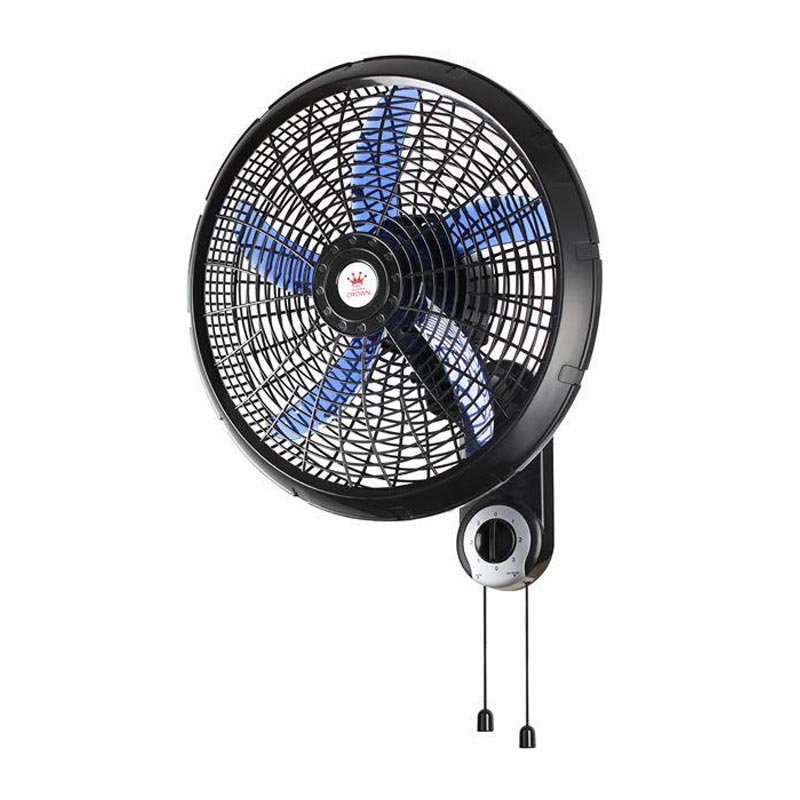
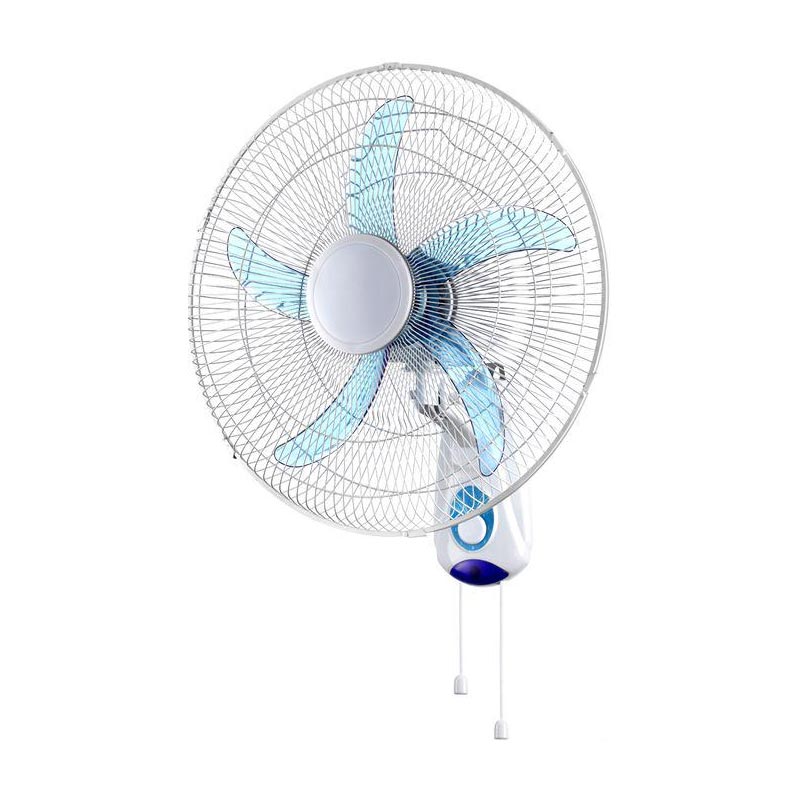
Looking for an 18 inch Wall Fan that combines practical cooling, space-saving installation, and cost-effective performance? Moxie, a professional electric fan manufacturer, offers wall-mounted ventilation solutions designed to meet the needs of residential and commercial markets. With its focus on efficient airflow, quiet operation, and practical design, Moxie helps buyers identify suitable fan options for different environments.
An 18-inch wall fan is a practical choice for improving air circulation in homes, offices, retail spaces, workshops, and other environments where floor space is limited. By mounting the fan on a wall, users can direct airflow across occupied areas without placing a fan stand on the floor. Key considerations include airflow performance, motor configuration, noise levels, installation requirements, safety features, and long-term maintenance. This guide explains how to choose the right fan, compare important features, and evaluate a suitable product for residential or commercial applications. It also introduces the Moxie Air 18-inch wall fan, model WF-1805, as an option for buyers seeking an economical, space-efficient ventilation solution.
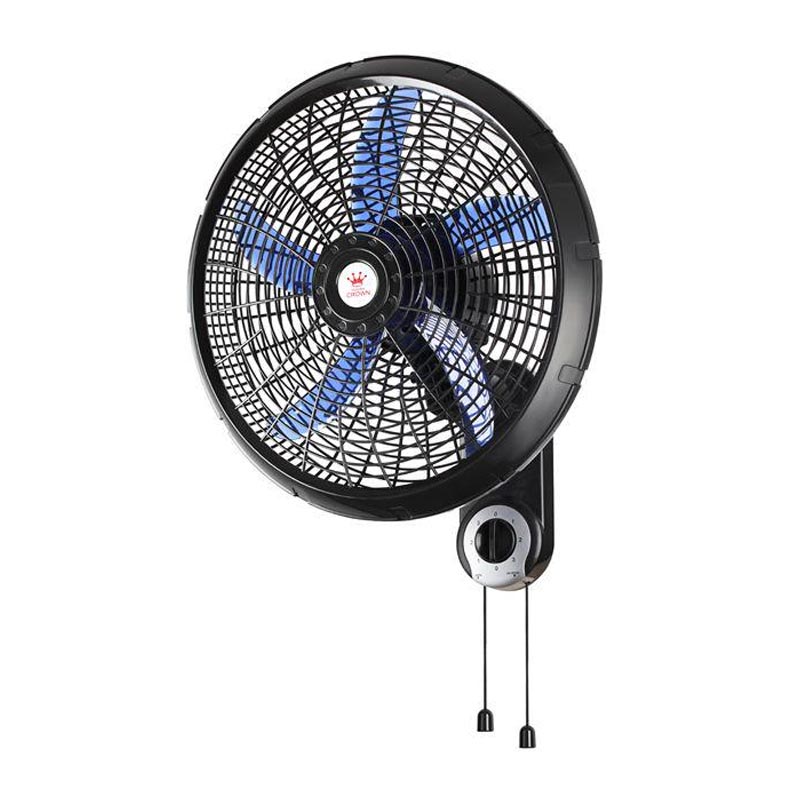
1. What Is an 18 Inch Wall Fan?
2. What Are the Main Benefits of an 18 Inch Wall Fan?
3. Where Can an 18 Inch Wall Fan Be Used?
4. How Do You Choose the Right Wall Fan?
5. How Does a Wall Fan Compare with Other Fan Types?
6. Why Consider the Moxie Air 18 Inch Wall Fan?
7. Installation and Maintenance Tips
9. Conclusion: Find the Right Wall Fan for Your Market
An 18-inch wall fan is a ventilation device designed to be mounted on a suitable wall, with a nominal fan size of 18 inches. It circulates air throughout a room or work area, helping occupants feel more comfortable by promoting air movement. Unlike pedestal or floor fans, it does not require a stand or occupy valuable floor space.
This configuration is particularly useful in areas where furniture, equipment, merchandise, or workstations already take up most of the available space. Once installed at an appropriate height, the fan can direct airflow toward occupied areas while keeping walkways relatively clear.
For buyers, the nominal diameter is only one part of the selection process. Actual performance also depends on motor power, blade design, rotational speed, grille construction, and the distance between the fan and its intended cooling area.
When evaluating a wall-mounted model, consider the following factors:
The most obvious advantage of a wall-mounted fan is its ability to free up floor and countertop space. This is valuable in compact apartments, small restaurants, workshops, retail stores, and production areas where every square meter matters.
Unlike a pedestal fan, a wall-mounted unit does not need a floor-standing base. This can also make it easier to organize furniture, equipment, and pedestrian routes, provided the installation height and position are selected carefully.
An appropriately positioned wall fan can distribute moving air across a designated area. Oscillation, if available on the selected model, can expand the coverage area by directing airflow across a wider angle instead of concentrating it in one direction.
For commercial buyers, choosing the correct location is often as important as choosing the fan itself. A unit placed too high, too low, or behind an obstruction may not deliver the desired comfort at workstations or seating areas.
Fans generally consume less electricity than air-conditioning systems because they move air rather than mechanically cooling an entire room. However, actual savings depend on the fan's rated wattage, daily operating hours, local electricity rates, and the cooling system being compared.
A simple way to estimate electricity consumption is:
Energy consumption (kWh) = Power consumption (kW) × Operating hours
For example, a fan rated at 60 watts operating for 8 hours uses approximately 0.48 kWh. This is an illustrative calculation, not a confirmed power specification for the Moxie WF-1805. Always use the actual product rating when calculating operating costs.
Wall fans are available in different configurations to serve residential, commercial, and light industrial requirements. Buyers can assess blade materials, grille construction, motor options, speed controls, and electrical compatibility to match their intended market.
For importers and distributors, these options can support product assortment planning for different price points and customer preferences.
An 18-inch wall fan can serve a variety of indoor environments when its airflow capacity, installation requirements, and electrical specifications match the application.
It is important to distinguish air circulation from ventilation. A standard wall fan moves air within a space but does not necessarily introduce fresh outdoor air or remove contaminated air. Facilities dealing with fumes, dust, heat-generating processes, or hazardous substances may require dedicated ventilation equipment designed for those conditions.
Selecting a suitable wall fan requires more than comparing prices or nominal diameter. A well-matched product should deliver appropriate airflow, fit the available mounting location, meet local electrical requirements, and remain practical to maintain throughout its service life.
Start by considering room dimensions, ceiling height, occupancy, heat sources, and the location of people who need airflow. A larger room or a space with substantial heat loads may require multiple fans or a different ventilation solution.
Where available, compare airflow ratings expressed in cubic feet per minute (CFM) or cubic meters per hour (m³/h). Check whether the figures are measured under comparable conditions rather than assuming that two fans of the same diameter provide identical performance.
Motor construction influences energy consumption, operating characteristics, and maintenance requirements. Blade geometry and material also affect airflow, noise, durability, and product cost.
When reviewing a supplier's specification sheet, ask for the following details:
Noise expectations vary considerably between applications. A bedroom or office may require quieter operation, while a busy workshop may place greater emphasis on airflow and durability.
Depending on the model, useful functions may include multiple speed settings, oscillation, adjustable tilt, or remote control. These functions should be confirmed against the actual configuration rather than assumed to be standard on every 18-inch wall fan.
The wall must be capable of supporting the fan and its operating loads. Suitable fasteners, secure brackets, protective grilles, proper electrical connections, and adequate clearance are essential. For installations in damp, dusty, or outdoor environments, verify that the specific model is rated for those conditions.
Different fan configurations serve different space-planning and airflow requirements. The following comparison highlights the main differences buyers should consider when selecting a ventilation product.
| Comparison Factor | 18-Inch Wall Fan | Pedestal Fan | Table Fan | Ceiling Fan |
|---|---|---|---|---|
| Installation | Mounted on a wall | Freestanding base | Placed on a desk or table | Mounted on the ceiling |
| Floor Space | Minimal | Required | Minimal floor use but needs surface space | Minimal |
| Airflow Direction | Directed from the mounting position | Flexible positioning and height | Suitable for nearby users | Distributed from above |
| Typical Advantage | Space efficiency and targeted circulation | Easy repositioning | Compact and portable | Continuous room-level circulation |
| Key Consideration | Secure mounting and access for maintenance | Base stability and floor clearance | Available desk space | Ceiling structure and installation height |
These comparisons are general guidelines rather than measured performance rankings. Actual airflow, noise, energy consumption, and suitability depend on the specifications of each model and the conditions in which it operates.
The Moxie Air 18 inch Wall Fan, identified as model WF-1805 on the product listing, is positioned as a cost-effective ventilation solution for buyers who value space efficiency, practical performance, and quiet operation.
For distributors, wholesalers, retailers, and other procurement teams, the product offers a starting point for evaluating a wall-mounted fan within a broader electric fan assortment. Its intended value proposition centers on balancing everyday air circulation with practical installation and competitive product positioning.
For accurate procurement planning, buyers should verify rated power, airflow, speed settings, dimensions, net weight, packing specifications, and available certifications directly with the supplier. These details may vary by product configuration or destination market.
Explore the Moxie Air 18-inch wall fan product page for product-specific information. You can also browse the manufacturer's broader wall fan range to compare available options for different applications.
Correct installation and routine maintenance help preserve airflow performance, reduce avoidable wear, and support safe operation.
For commercial installations, a scheduled maintenance plan can help facilities teams identify problems before they interrupt normal operations. Repairs involving electrical components or structural mounting should be performed by qualified personnel when required.
It depends on the room's dimensions, ceiling height, heat load, layout, and required airflow. An 18-inch fan may work well in a smaller or moderately sized area, but larger spaces may need multiple fans or a more powerful ventilation system. Check the actual airflow rating before deciding.
A fan typically uses less electricity because it circulates air instead of actively lowering the temperature of the entire room. However, the exact difference depends on the rated power of both devices and their operating hours. A fan improves perceived comfort but does not provide the same cooling function as an air conditioner.
Bulk buyers should verify motor specifications, rated voltage and frequency, airflow performance, noise level, blade and grille materials, packaging dimensions, minimum order quantity, lead time, warranty terms, and applicable certifications. Sample evaluation and written confirmation of the final configuration can help reduce procurement risks.
Only if the specific model is designed and rated for the intended outdoor conditions. Standard indoor fans may not withstand rain, moisture, dust, or temperature extremes. Always verify the product's environmental protection rating and installation instructions before using it outdoors.
Potential suitability depends on the model's available electrical configuration and the destination country's regulatory requirements. Importers should confirm voltage, frequency, plug type, labeling, and applicable safety documentation with Moxie before placing an order.
Disconnect the power before cleaning, remove dust from accessible surfaces, inspect the grille and mounting hardware, and monitor the fan for unusual vibration or noise. Follow the manufacturer's maintenance instructions and use qualified technicians for repairs that involve electrical components or structural mounting.
An 18-inch wall fan can be a practical ventilation choice for buyers who need useful air circulation without sacrificing valuable floor space. The best option depends on airflow requirements, motor performance, operating noise, installation conditions, electrical compatibility, and long-term maintenance needs. By comparing these factors carefully, residential users and commercial buyers can make a more informed decision and select equipment that suits their intended application.
Moxie offers the WF-1805 18-inch wall fan as a cost-conscious option for buyers exploring wall-mounted ventilation products. Whether you are sourcing products for retail distribution, commercial facilities, or a wholesale product range, reviewing the technical specifications and confirming market requirements are important steps toward a successful purchase. Visit the official Moxie 18-inch wall fan page to learn more, compare product details, and contact us to discuss your requirements, request a quotation, and explore suitable purchasing or customization options.
No. 1 Taiming Road, Xiaolan Town, Zhongshan City, Guangdong Province,China