
QR Code

About Us
Contact Us


E-mail

Address
No. 1 Taiming Road, Xiaolan Town, Zhongshan City, Guangdong Province,China



A wall fan is a practical ventilation solution designed to enhance airflow without occupying valuable floor space. In residential, commercial, and industrial environments, insufficient air circulation often leads to discomfort, heat buildup, and reduced productivity. This article explains how a wall fan works, what problems it solves, and how to select the right model for different applications. It also explores installation considerations, performance parameters, and long-term value, helping decision-makers make informed choices.
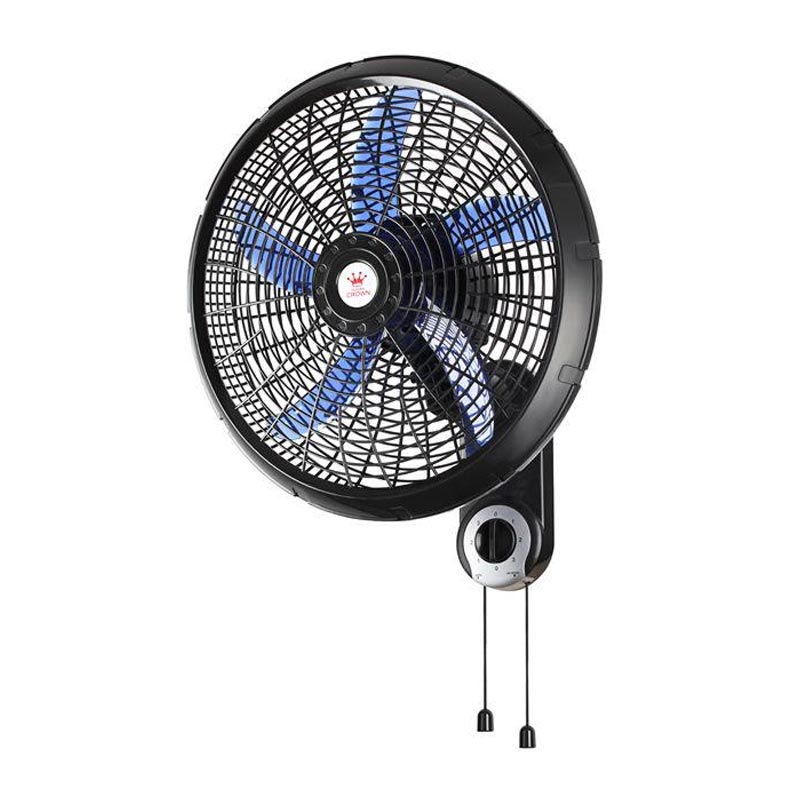
Poor air circulation is a frequent issue in homes, offices, workshops, warehouses, and public facilities. Stagnant air can cause uneven temperature distribution, increased humidity, and discomfort, especially in warm climates or enclosed spaces. Traditional floor fans often occupy space, while ceiling fans may not be suitable for rooms with low ceilings or structural limitations.
A wall fan addresses these challenges by providing targeted airflow from an elevated position. By mounting the unit on a wall, airflow can be directed across larger areas, improving ventilation efficiency while keeping the environment organized and safe.
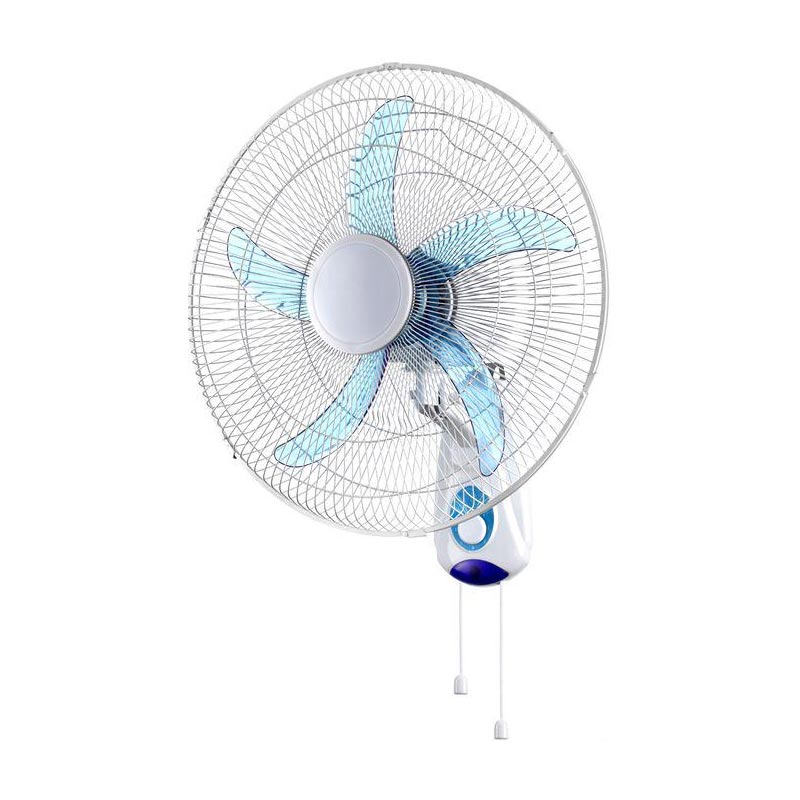
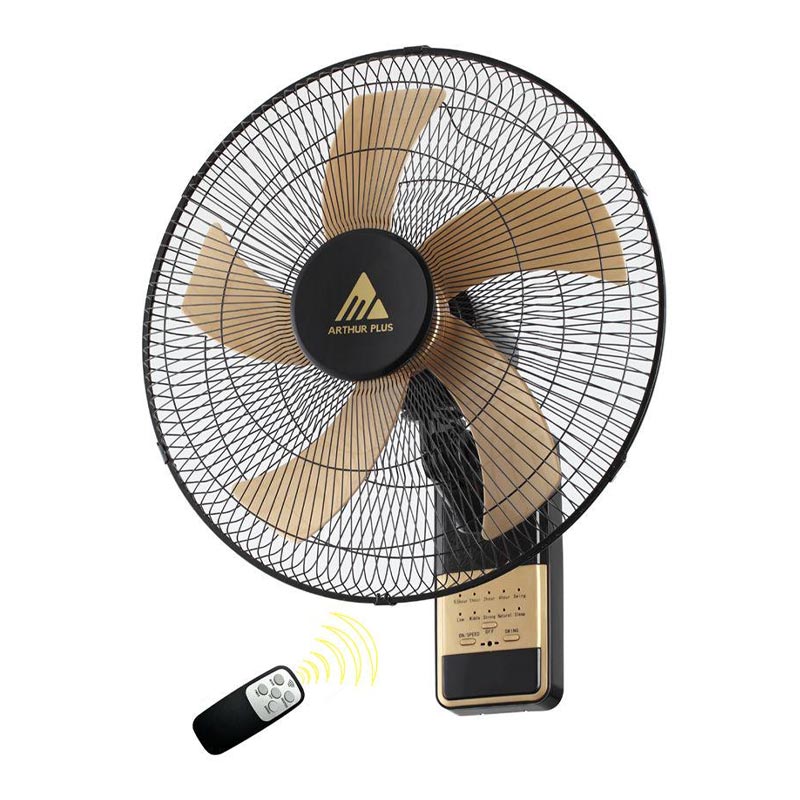
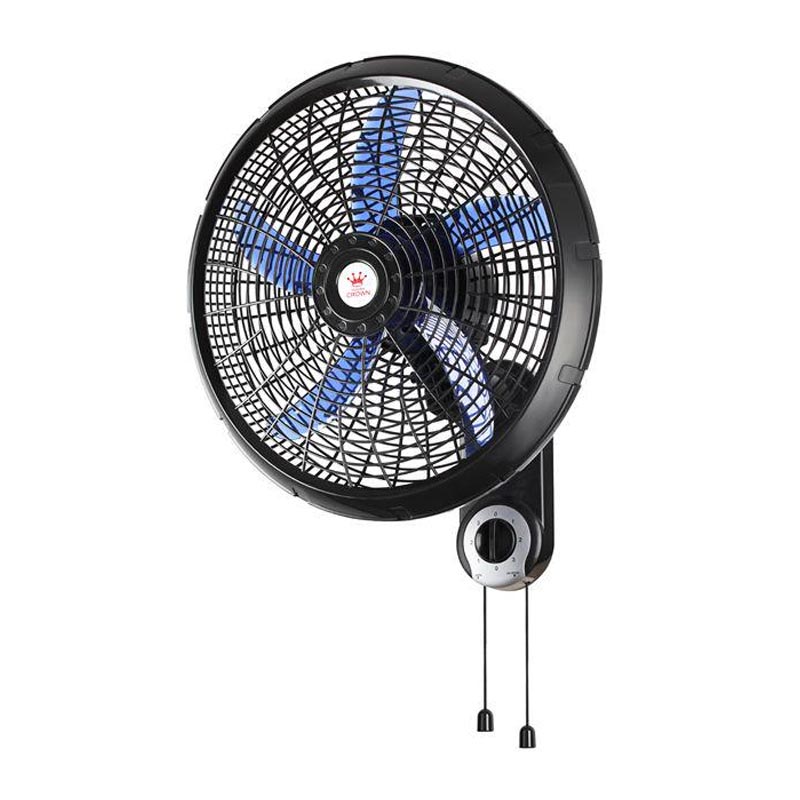
A wall fan is an electrically powered fan mounted directly onto a wall surface. Unlike portable fans, it is fixed in position and designed to deliver consistent airflow across a defined area. Many models feature adjustable tilt angles and oscillation functions, allowing air to be distributed evenly throughout the space.
Wall fans are commonly used in locations where space optimization, durability, and continuous operation are essential. Their structural design allows them to operate at higher mounting points, which enhances airflow reach and minimizes obstruction.
Air circulation depends on the ability to move air efficiently from one area to another. A wall fan improves circulation through several mechanisms:
These characteristics help reduce heat accumulation, improve thermal comfort, and support better air exchange when used alongside windows or ventilation systems.
Wall fans are valued for their adaptability across various settings:
In each scenario, the wall fan provides a balance between performance and efficient use of space.
| Solution | Space Usage | Airflow Coverage | Installation Complexity |
|---|---|---|---|
| Wall Fan | Minimal | Wide and directional | Moderate |
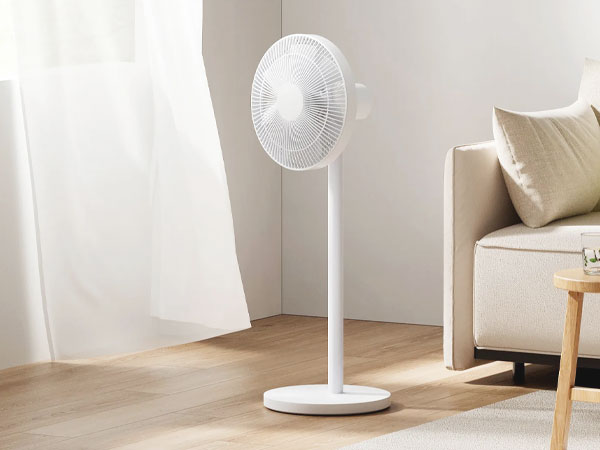
| Floor Fan | High | Localized | Low |
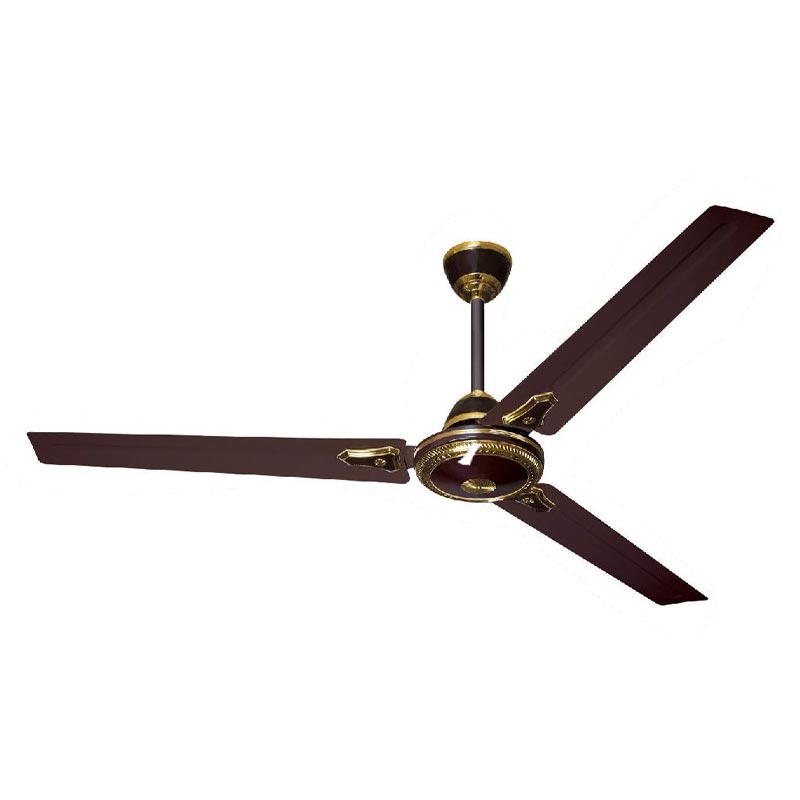
| Ceiling Fan | None | Wide vertical | High |
This comparison highlights why wall fans are often chosen when ceiling installation is impractical and floor space must be preserved.
Selecting the right wall fan requires attention to technical and functional parameters:
Proper installation is essential for performance and safety. Wall fans should be mounted on stable surfaces capable of supporting their weight and vibration. Electrical connections must comply with local standards, and adequate clearance should be maintained to avoid airflow obstruction.
In industrial or public spaces, protective grills and secure mounting brackets are critical to ensure safe long-term operation.
Regular maintenance extends the service life of a wall fan. This typically includes:
High-quality wall fans are designed for durability and can operate reliably for years when properly maintained.
Wall fans are commonly deployed in:
Their flexibility makes them suitable for both permanent installations and long-term operational needs.
Is a wall fan suitable for small rooms?
Yes. When properly sized, a wall fan can efficiently circulate air in small to medium-sized rooms without overwhelming the space.
Can a wall fan replace air conditioning?
A wall fan improves airflow and comfort but does not replace temperature control systems. It is often used as a complementary solution.
How long does a wall fan typically last?
With proper maintenance, a high-quality wall fan can provide reliable service for many years.
A wall fan is an effective solution for improving air circulation, optimizing space, and enhancing comfort across a wide range of environments. By understanding how it works and evaluating key parameters, buyers can select models that meet both functional and operational requirements.
Manufacturers such as Moxie Tech Co., Ltd. focus on delivering wall fan solutions designed for durability, efficiency, and practical installation. For businesses or individuals seeking tailored airflow solutions, now is the right time to explore professional options.
If you are evaluating wall fan solutions for your facility or project, contact us to discuss your requirements and discover how the right wall fan can improve your environment.
No. 1 Taiming Road, Xiaolan Town, Zhongshan City, Guangdong Province,China